
I’m Andrew Kokleong Lee(リー・アンドリュー コリオン), a mechanical and product development engineer based in Japan. I spent more than 10 years at Dyson working on airflow, cyclone separation, testing, and product performance, and later worked in an OEM/ODM R&D team developing home appliances including air purifiers, deodorizers, humidifiers, futon dryers, and desk/handheld fans.
This blog focuses on understanding how home appliances actually work: from airflow and filtration to sensors, performance, product design, and engineering trade-offs.
What I’ve worked on
At Dyson, my work sat at the system-performance and experimental level: airflow and fluid-system performance, cyclone and dust separation, pressure loss and system resistance, filtration and the air path, fan-driven system behaviour, and the testing and instrumentation used to measure all of it. Much of that work was prototype testing, root-cause analysis of performance issues, and iterative design improvement. This included airflow and separation systems for vacuum cleaners.
Later, in an OEM/ODM R&D team in Japan, I worked on the design and development of deodorizers, air purifiers, humidifiers, futon dryers, desk fans and handheld fans. That meant airflow-path design, fan selection and performance evaluation, heating and drying performance, humidity performance, sensor and measurement setups, and working with suppliers and manufacturers to turn a concept into a product that can be built.
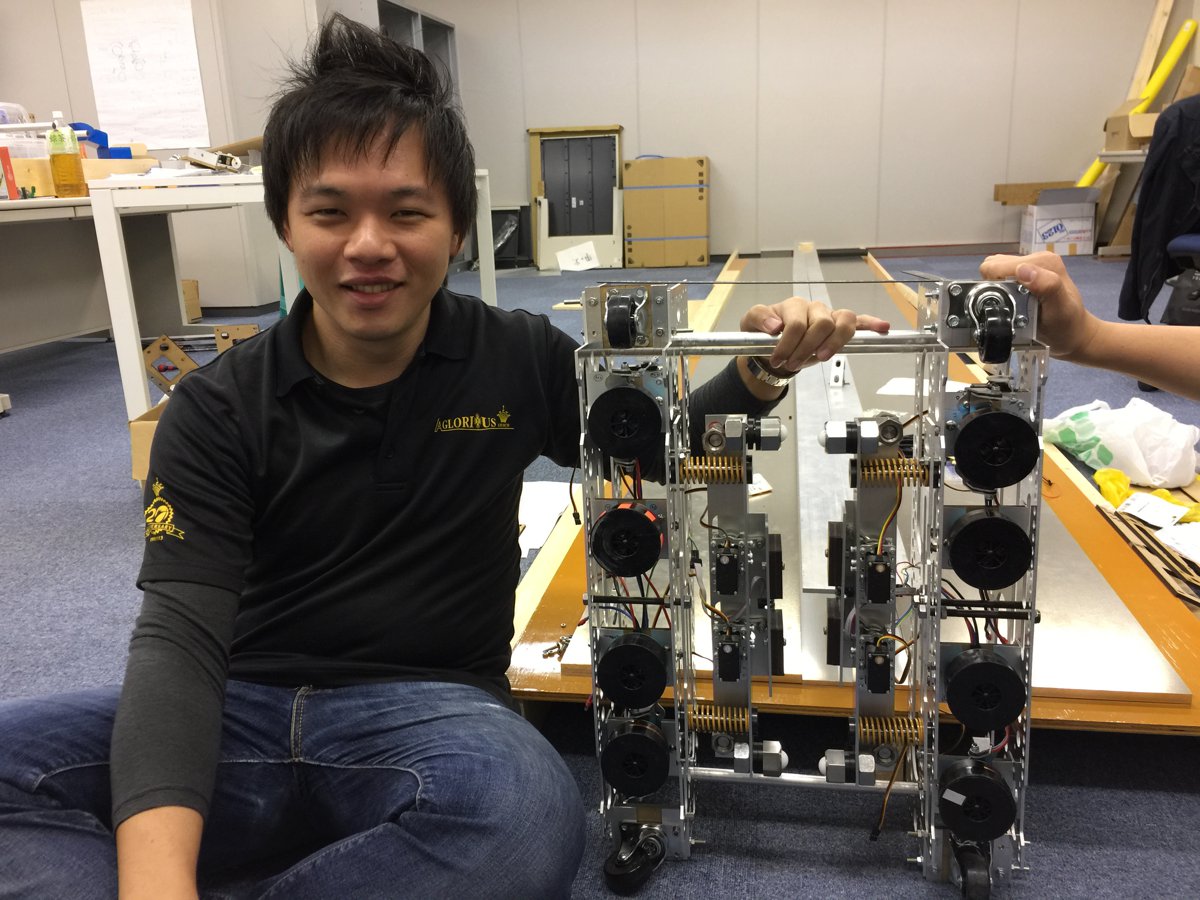
I’ve also worked on logistics automation and equipment projects at Amazon Logistics in Japan, and I’m currently an engineer at Planet Savers, a Japanese climate-tech startup developing Direct Air Capture technology.
I studied Mechanical Engineering at the University of Nottingham (BEng Hons) and studied at Keio University Graduate School of Science and Technology (Open and Environmental Systems).
To be clear about my limits: I’m not a motor designer or an acoustics specialist. When I write about motors, I’m writing about how the motor and fan affect airflow, efficiency and how the product behaves. When I write about noise, I treat it as one part of product performance.
What I use at home
I live with Japanese appliances like everyone else here. Ones I’ve owned or used at home include a Sharp air purifier with humidification, an oil-filled radiator heater, a fan heater, a deodorizer, a Peltier-type dehumidifier, a futon dryer, a circulator fan, a pedestal fan and a Dyson Hot+Cool. I tend to notice the engineering details: where the air actually goes, how loud it feels, whether the sensors react sensibly, how annoying the filter is to clean, and whether the product solves the problem you bought it for.
How I write these articles
Each article separates four kinds of information: what I’ve personally used or experienced, my engineering analysis and opinion, the manufacturer’s specifications, and independent test results where they exist. If I haven’t tested something myself, I say so. Prices and rankings are dated, because they change quickly in Japan.
I use AI tools to help with research, checking specifications and editing. The engineering judgement, the opinions and the experiences are mine.
Who this site is for
Mainly people living in Japan, or moving here, who need to choose appliances for a Japanese home and want an explanation in English of what the specs and features actually mean.
I know the problem first-hand. When I arrived in Tokyo to study for my Master’s, I often felt lost choosing appliances. My Japanese was limited then, and relying on translation didn’t make it much easier. I felt the same again when I started a family. As I built up experience in the home-appliance field, friends around me kept asking me the same questions, so I started this blog so more people can benefit from the answers.
How this site makes money
Some articles contain affiliate links, mainly to Amazon Japan. If you buy through one, I may earn a small commission at no extra cost to you. It doesn’t change which products I recommend, and I’ll say when a product has drawbacks. Amazonのアソシエイトとして、nihonshouhin.comは適格販売により収入を得ています。
You can find my professional background on LinkedIn.